
 EN
EN



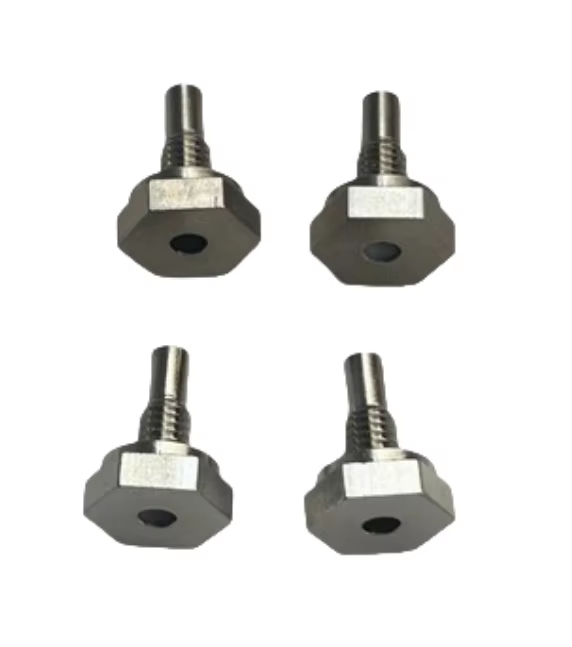
Precision Technical Capabilities: Modern CNC Machining Equipment and Process Range
Advanced CNC Technology and Multi-Axis Capabilities for Tight-Tolerance Parts
Today's CNC machining relies on advanced 5-axis centers capable of spinning at over 40,000 RPM, plus built-in thermal compensation systems that keep parts accurate to within about 0.0001 inches or 0.0025 millimeters. These machines handle really complicated shapes like those tricky turbine blades used in airplanes and intricate medical implants that regular 3-axis machines simply can't produce. The technology includes real time feedback systems, special structures that absorb vibrations, and metrology tools that measure during actual grinding operations. All these features work together to maintain consistent quality down to the micron level throughout entire production batches. By getting rid of the need for manual part repositioning, manufacturers avoid accumulating small errors that add up over time. This makes the technology absolutely necessary for products requiring tolerances below 2 microns, especially important in things like lenses for cameras and hip replacement parts. Beyond meeting strict standards like AS9100 and ISO 9001, companies using these systems typically see their scrap rates drop around 70% when compared to older manufacturing techniques from just a few years back.
Comprehensive CNC Services Portfolio: Swiss Turning, Milling, Screw Machining, and Prototyping
Top manufacturers offer a range of services including Swiss turning that can handle parts below 1mm diameter with tolerances around ±0.0002 inches, high speed milling for materials like aluminum, titanium, and various engineered plastics, plus automated screw machines capable of producing thousands of fasteners at once. With these capabilities in place, companies can move smoothly from creating working prototypes that get tested within about three days straight through to mass production batches that hit over 50k pieces. Putting everything together under a single quality management system cuts down on those pesky supply chain issues while keeping GD&T standards intact throughout the entire process from first sample to finished product. What does this mean? Faster time to market by roughly 40 percent, yet still maintaining tight control over specifications and proper documentation across all stages of development.
Proven Expertise and Certified Quality Assurance in CNC Services
Industry-Specific Experience Across Aerospace, Medical, and Food Processing Sectors
Having deep knowledge of specific industries really affects how reliable products are and whether they meet regulations. Take aerospace for example. Machinists there follow strict AS9100 standards when working on critical titanium parts. These parts need extremely tight tolerances around plus or minus 0.0005 inches. And guess what? Material tracking, checking the first article made, and controlling configurations aren't just nice to have they're absolutely essential requirements. Medical device manufacturers go through their own special process too. They stick to USP Class VI rules for materials that touch the body, work in cleanrooms aligned with ISO 13485 standards, and put surgical tools and implants through intense testing before approval. When it comes to food processing machines, knowing about 316L stainless steel that resists corrosion makes all the difference. Getting those surfaces just right (with finishes at or below 0.8 micrometers roughness average) helps prevent bacteria buildup in hard to reach spots. Companies that actually have proven track records in these areas tend to face 34% less compliance issues according to recent NIST data from 2023. That means fewer headaches from certification problems or having to start over because something didn't meet specs.
Rigorous QC Protocols: CMM Inspection, GD&T Compliance, and ISO-Certified Processes
The best CNC shops have developed thorough verification processes that follow the digital thread from start to finish. They check CAD models against actual parts during production and keep an eye on parameters as things happen in real time. For complicated shapes, Coordinate Measuring Machines can spot differences down to just 5 micrometers. And when it comes to making sure parts actually work together, Geometric Dimensioning and Tolerancing becomes really important for getting consistent results between different production runs. From the moment materials arrive until the last inspection, everything gets recorded according to ISO 9001 standards so there's always a paper trail if something needs checking later. Shops also use Statistical Process Control charts to watch key measurements such as how smooth surfaces are or how straight holes run. This lets them fix problems early before bad parts get made. The difference shows up in waste reduction too these methods typically slash scrap rates by around 40% compared to places without proper quality systems in place.
Collaborative Partnership: Responsive Communication and Agile Project Management
When building a good CNC partnership, what really matters is how well everyone communicates and adapts during projects rather than just focusing on getting things done on time. Most successful shops implement daily check-ins, share progress through online dashboards, and regularly review designs together across departments from engineers to buyers and floor workers alike. These practices let teams react quickly when something goes off track mid-project. For instance, if materials behave unexpectedly requiring tighter tolerances or there's suddenly higher demand for parts, adjustments can happen fast without throwing off deadlines completely. We've seen in industries where precision counts most, like making airplane components or medical equipment, that this kind of teamwork cuts down on wasted work caused by misunderstandings by around 30 percent. Getting different groups involved early helps spot manufacturing issues before expensive tools are even ordered. What starts as a supplier relationship often evolves into something much more valuable over time as both sides learn from each other throughout the development process.
Scalable, Value-Driven CNC Services for Long-Term Manufacturing Success
Predictable Lead Times, Rapid Prototyping, and Scalable Production Capacity
When it comes to staying agile in operations, predictability is key. Top CNC service providers give customers clear lead time estimates supported by smart capacity planning systems. These systems can handle everything from one-off prototypes right up to massive runs of tens of thousands of parts, all without needing expensive retooling or going through the whole validation process again. The real advantage here is that manufacturers can actually adjust their output based on what the market demands at any given moment, yet still keep product quality consistent and maintain proper documentation throughout. Industry data suggests that companies using these scalable CNC services typically cut down their time to get products to market by around 30%, which puts them way ahead of old school job shops stuck with those rigid, linear capacity approaches.
Transparent, Value-Based Pricing and Partnership-Focused Engagement Model
When companies adopt value-based pricing strategies, they cut through the fog of hidden costs and bring transparency to the table. Top service providers have started matching their fee structures to actual results using different pricing tiers. For instance, there's one rate for initial prototypes, another for small batch testing, and yet another when moving into mass production. These firms also offer live dashboards so both parties can track spending and work together on making improvements as needed. The benefit? About 18 months of predictable expenses which is huge for long term financial planning. This matters a lot in industries such as aerospace engineering or medical equipment fabrication where unexpected budget shifts can throw off research schedules and jeopardize entire projects down the line.
FAQ
What is CNC machining?
CNC (Computer Numerical Control) machining refers to the automated control of machining tools by a computer, enabling precision and consistent manufacturing of complex parts and products.
Why are multi-axis capabilities important in CNC machining?
Multi-axis capabilities allow for the creation of complex parts that require intricate detail and precision, which is crucial for industries like aerospace and medical devices.
How does CNC machining improve lead times and reduce scrap rates?
CNC machining improves lead times by providing accurate predictions and efficiencies in the production process, while reducing scrap rates through precision technology and thorough quality control systems.
Table of Contents
- Precision Technical Capabilities: Modern CNC Machining Equipment and Process Range
- Proven Expertise and Certified Quality Assurance in CNC Services
- Collaborative Partnership: Responsive Communication and Agile Project Management
- Scalable, Value-Driven CNC Services for Long-Term Manufacturing Success
- FAQ