
 EN
EN



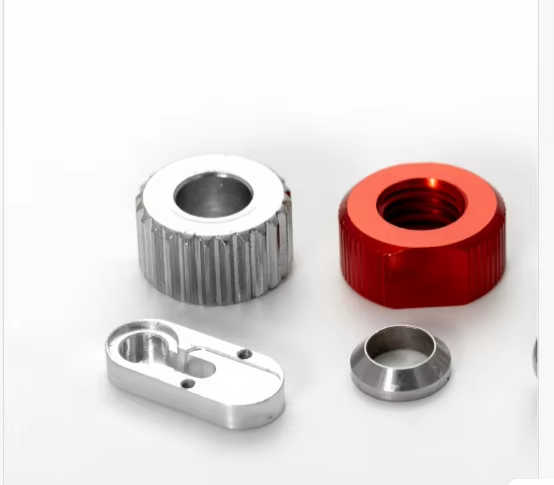
Why CNC Services Excel for Small to Medium Production Runs
Precision, Repeatability, and Versatility in Low-Volume Custom CNC Parts Production
CNC machining offers incredible precision when it comes to making small batches of custom parts. The machines can hit tolerances as tight as plus or minus 0.01 mm, so each piece matches the design specs exactly. This kind of repeatable accuracy gets rid of those quality issues that often pop up with manual machining techniques. For industries where things have to meet strict regulations, like medical device manufacturing or aerospace components, this level of consistency makes all the difference since compliance standards simply cannot be compromised. What sets CNC apart from other manufacturing approaches is how quickly it can handle design modifications without needing new tooling. Whether working with tough aircraft aluminum or specialized biocompatible plastics like PEEK, the machine just needs updated programming. According to recent research published last year, CNC systems boost production consistency by around 92% for runs below 500 pieces compared to traditional methods. This explains why manufacturers increasingly rely on them for intricate designs featuring internal cooling passages or delicate thin walls that regular injection molding just cant achieve.
Speed-to-Part Advantage: Rapid Prototyping and Short-Run CNC Services vs. Traditional Methods
CNC’s digital workflow slashes lead times by 30–50% versus traditional manufacturing. While injection molding requires 4–8 weeks for mold development before any part is produced, CNC machining can begin within 48 hours of CAD file approval—eliminating tooling delays entirely. This acceleration is essential for:
- Rapid prototype validation (test – refine – retest in days),
- Bridge production during extended tooling lead times,
- Market-responsive batches under 1,000 units.
For example, a 200-unit batch of electronics enclosures or automotive fixtures can be completed in 10 days via CNC—versus six weeks using molded alternatives. With no minimum order quantities, CNC also mitigates inventory risk for startups and scaling businesses.
Core CNC Machining Operations for Custom CNC Parts
CNC Milling and Turning: Capabilities, Tolerances, and Applications for Small-Batch Custom Parts
CNC milling and turning are really the backbone when it comes to making small batches with precision. Milling can hit around 0.005 inch accuracy for complex three dimensional shapes by using those multi axis cutting tools that carve out pockets, slots, and all sorts of curved surfaces. For things that need to be round and precise like shafts, bushings or connectors, turning works best because it spins the part while keeping the cutting tool still. These methods keep producing the same quality results even when running between just 10 pieces up to maybe 500 units in a batch. That makes them great choices for stuff like airplane brackets, housing parts for medical devices, and early versions of products being developed. The materials available range from light weight aluminum options to stainless steels that resist rust (like grades 304 and 316) plus various plastic types that don’t conduct electricity. All this means companies can test different designs quickly without spending money on special tools and still get parts that meet size requirements.
Advanced Options: When 4-Axis and 5-Axis CNC Services Unlock Complex Geometries in Medium Runs
When it comes to making parts in quantities between 100 and 1,000 units, 4-axis and 5-axis CNC machining opens up new possibilities for designers. These advanced systems can work across multiple planes at once, which makes all the difference when creating complex components. With a fourth axis, machines gain horizontal rotation capabilities that let them handle helical shapes like impellers much quicker than traditional three-axis setups sometimes cutting down production time by around 30%. The fifth axis takes things even further by adding tilt functionality. This allows manufacturers to hit those tight ±0.001 inch tolerances needed for intricate curved surfaces found in turbine blades or medical implants where precision is absolutely essential. What really matters though is how these systems combine several steps into one operation. No more moving parts around manually means fewer mistakes accumulate during production runs. Plus, operators can reach those tricky undercuts and complicated angles without extra tool changes. For shops running medium sized batches, this typically results in roughly 40% less labor hours spent and significantly lower scrap rates compared to older methods. The bottom line? Better quality products at lower costs for everyone involved.
Material Selection Strategies for Custom CNC Parts in Small-Scale Projects
Aluminum, Stainless Steel, Titanium, and Engineering Plastics: Matching Material Properties to Functional Needs and Cost Targets
What materials get chosen makes all the difference when it comes to how well something performs, how easy it is to manufacture, and what kind of budget gets eaten up in those small scale CNC projects. Take Aluminum 6061 for instance. This stuff strikes just the right chord between being strong enough without breaking the bank at around $25 to $40 per kilogram. That’s why so many folks reach for it when they need quick turnaround on prototypes or enclosure work. Stainless steel options like 304 or 316 are great choices too if corrosion resistance matters a lot, especially in things like medical devices or parts that will see saltwater action. Just be prepared to pay about 30 to 50 percent more compared to regular old aluminum though. Then there’s titanium which gives amazing strength while keeping weight down, perfect for those critical aerospace components where failure isn’t an option. But let’s face it, this metal doesn’t come cheap either with prices ranging from $80 to $150 per kg. For applications where weight savings really count and heat tolerance is important, engineering plastics such as PEEK can actually cut weight by nearly two thirds compared to metal alternatives. Plus these plastics maintain their shape even under extreme temperatures, making them excellent choices for situations needing electrical insulation or working in cleanrooms where sterility matters most.
| Property | Aluminum | Stainless Steel | Titanium | Engineering Plastics |
|---|---|---|---|---|
| Relative Cost | $ | $$$ | $$$$ | $$ |
| Corrosion Resistance | Medium | High | High | High |
| Primary Use Case | Prototypes & enclosures | Medical/marine tools | Aerospace structural parts | Insulation, sterilizable components |
Prioritize material choice based on functional demands—not just cost. For instance, titanium’s fatigue performance justifies its expense in cyclic-load applications, while plastics significantly lower cost and weight in non-structural assemblies. Always validate selections early through functional testing to avoid late-stage redesigns.
How to Choose a Reliable CNC Services Partner for Custom Parts
Key Evaluation Criteria: Technical Capability, ISO 9001 Certification, Communication, and Scalable Support for Growing Projects
When looking for a good CNC partner, there are really four main things to consider. First off, check what kind of equipment they actually run. Do they have those newer multi-axis machines? Have they worked with similar materials before? We’re talking about getting parts made within tight tolerances like plus or minus 0.005 inches or better. Second thing? Make sure they’ve got that ISO 9001 certification stamped somewhere visible. This isn’t just paperwork; companies with this certification tend to produce fewer defective parts according to industry studies. Third, how do they handle communication? Good partners will keep everyone in the loop with regular updates, catch design issues early through their feedback, and work together throughout the process rather than waiting until something goes wrong halfway through. And last but definitely not least, can they scale operations? The best providers handle everything from small prototype batches of just five units right up to large production runs exceeding 500 pieces without missing a beat on quality or timing. Companies that tick all these boxes generally deliver parts on schedule around 98 out of 100 times, which means less headaches down the road when trying to manage production schedules.
Frequently Asked Questions
What is the advantage of CNC machining for small to medium production runs?
CNC machining offers high precision, replicability, and adaptability for small and medium production runs. It successfully manages tight design requirements, provides quick adjustments for design modifications, and maintains consistent quality across batches.
How does CNC machining speed up production compared to traditional methods?
CNC machining accelerates the production timeline by eliminating tooling delays, allowing for rapid prototyping, as well as reducing lead times by 30-50%. While traditional methods demand lengthy mold development periods, CNC machining can start within 48 hours of CAD approval.
What materials are commonly used in CNC machining?
Common materials in CNC machining include Aluminum, Stainless Steel, Titanium, and Engineering Plastics like PEEK. Each material has distinct qualities suited for different applications, balancing performance, manufacturing ease, and cost.
How do I choose a reliable CNC services partner?
To select a reliable CNC services partner, focus on their technical capability, ISO 9001 certification, communication strategies, and ability to scale operations for both small and large projects.