
 EN
EN



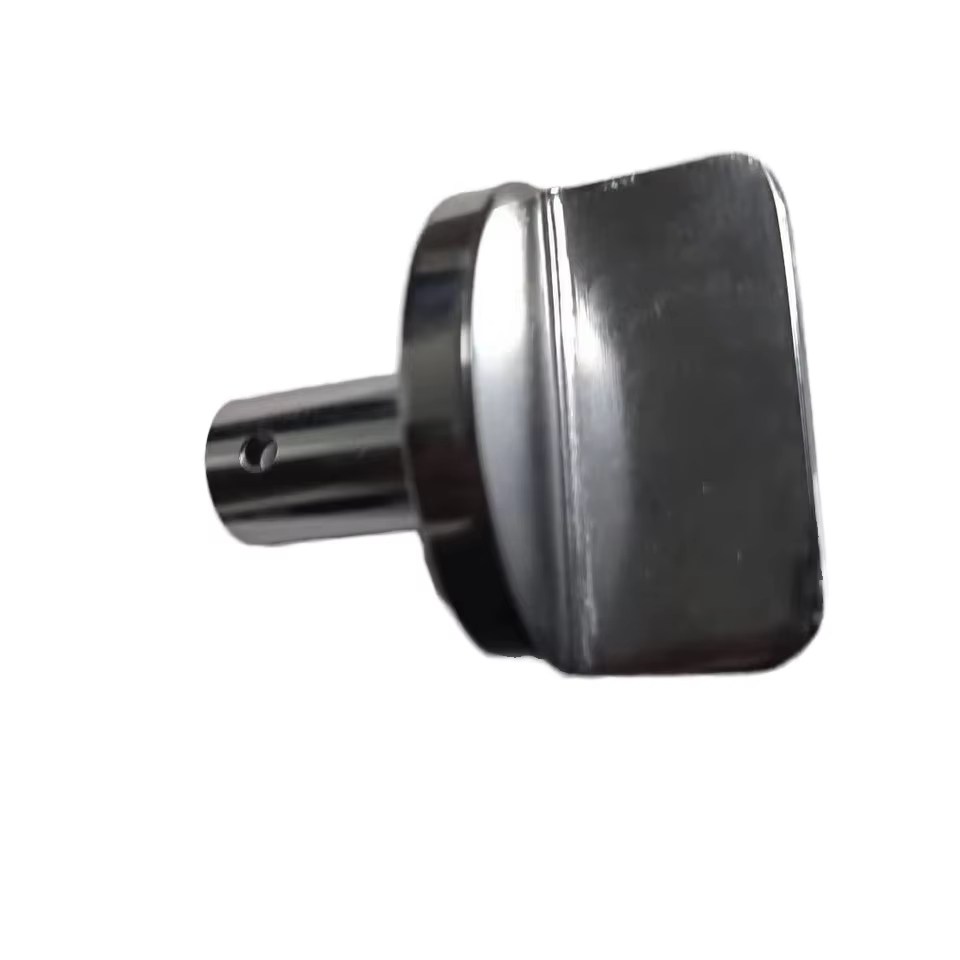
Unmatched Precision and Tight Tolerances with Professional CNC Services
How Advanced CNC Services Achieve Sub-0.001-Inch Accuracy Consistently
CNC services today can hit really tight tolerances, sometimes as small as 0.001 inch or better. They do this with those fancy multi-axis machines that have these super accurate feedback systems plus thermal compensation tech built right in. When it comes down to making parts that just cannot fail, companies rely on rigid tooling setups, constant monitoring during production, and statistical process control systems to basically take humans out of the equation. These methods help get repeatable results at the micron level, which matters a lot when manufacturing things like hydraulic valve components or precision optical mounts where even tiny deviations matter. Top shops actually show around 99.8 percent compliance rate when producing batches of 10,000 identical parts under controlled conditions, something most smaller operations simply cant match.
From Aerospace Turbine Blades to ISO 2768-fine Compliance: Real-World Validation of CNC Manufacturing Precision
Top-tier CNC manufacturing delivers functional reliability at extreme tolerances: turbine blades requiring ±0.0004" positional accuracy and FDA-regulated surgical tools held to ±0.0005" geometric tolerances both meet ISO 2768-fine standards—where 90% of critical dimensions must fall within 0.002 mm. A comparative analysis highlights the performance gap:
| Industry Benchmark | Standard Machining | Professional CNC Services |
|---|---|---|
| Typical Tolerance Range | ±0.005" | ±0.001" or tighter |
| Thin-Wall Machining | ±0.015" | ±0.003" |
| Surface Finish (Ra) | 125 µin | 816 µin |
This precision drives first-pass success in complex assemblies and reduces scrap rates by up to 40% in aerospace applications, according to 2024 manufacturing efficiency studies.
Complex Geometry Mastery Through Multi-Axis CNC Manufacturing
5-Axis CNC Services Enable Organic Surfaces, Undercuts, and Single-Setup Complexity
Five axis CNC machining breaks through those old limitations that used to restrict what could be made. The machine tools can move at the same time along all five axes, which opens up possibilities for creating complex shapes. Think about things like free form surfaces that look almost natural, really deep undercuts inside parts, and complicated angled features in tough materials such as titanium or Inconel. Everything gets done without having to take the part out and reposition it manually. When we keep the cutting tool aligned properly relative to the workpiece throughout the whole process, we avoid those little errors that build up when someone has to reset the position by hand. Tolerances around 0.0005 inches are pretty standard these days. Look no further than aerospace turbine blades for proof of this technology's power. These components need to hold together even when subjected to extreme stress during flight operations, and the fact that they can be machined entirely in one fixture makes all the difference in their performance.
Why Integrated Multi-Axis CNC Manufacturing Reduces Setup Time While Expanding Design Freedom
When it comes to manufacturing, integrated rotary axes really speed things up and open up new design options. The numbers speak for themselves too - most shops see around a 70% cut in setup work and about 40% less machining time when dealing with complicated shapes. This happens because these machines can keep going without stopping, reaching every part of the piece without needing someone to step in manually. For designers, this means they can finally bring those crazy ideas to life that were impossible before. Think about things like lightweight lattices inside parts or cooling channels that follow the exact shape of whatever is being made. And medical companies get some serious advantages here. They can make those fancy surgical instruments that need to meet strict FDA rules much quicker now. Plus, there's no touching required between different steps in the process, which helps maintain sterility standards throughout production.
Scalable Speed and Automation in CNC Services for High-Mix, High-Volume Production
Professional CNC services enable scalable, high-mix, high-volume production through integrated automation—combining robotics, multi-axis machining, and real-time monitoring to reduce cycle times by up to 60% versus manual processes, all while preserving micron-level tolerances. Three core advantages drive this efficiency:
- Continuous operation, including lights-out production, maximizes equipment utilization
- Automated tool changers and robotic arms cut labor costs by $740k annually per facility (Ponemon Institute, 2023)
- Multi-axis integration completes complex geometries in single setups, slashing changeover time
High-volume CNC manufacturing leverages SPC and in-process gauging to ensure consistent quality across batches exceeding 10,000 units. This automation-driven adaptability supports rapid scaling—from prototype to mass production—and maintains per-unit cost efficiency even during sudden demand surges.
Regulatory Compliance, Repeatability, and Efficiency Across Critical Industries
CNC Manufacturing in FDA-Regulated Environments: Eliminating Human Error in Medical Device Production
For companies working in FDA regulated areas like making medical devices, CNC machining brings real benefits for meeting compliance requirements through automated precision work. When machines take over these critical tasks, they follow FDA Quality System Regulations (21 CFR Part 820) and ISO 13485 standards much better than humans ever could. This means fewer mistakes in important parts such as scalpels or heart valves where even small errors matter a lot. Manufacturers who switch from manual to computer controlled processes eliminate the risk of human error during milling, turning operations, and final finishing stages. What this does is create complete traceability records, proper validation documentation, and consistent results across batches. And let's face it, nobody wants their implantable device to be off by even a fraction of a millimeter when it comes time for surgery.
FAQ
What is the benefit of multi-axis CNC machining?
Multi-axis CNC machining allows for the creation of complex shapes in a single setup by moving along all five axes simultaneously. This reduces the need for repositioning parts manually, minimizing errors and saving time.
How does automation enhance CNC services?
Automation in CNC services, including robots and real-time monitoring, reduces cycle times by up to 60% and maintains precision by minimizing human intervention, which helps improve efficiency and scalability.
Why is precision crucial in industries like aerospace and medical devices?
Precision is vital in aerospace and medical devices to ensure the functional reliability of critical components under extreme conditions. This helps avoid failures and meet strict regulatory standards, ensuring safety and effectiveness.
Table of Contents
- Unmatched Precision and Tight Tolerances with Professional CNC Services
- Complex Geometry Mastery Through Multi-Axis CNC Manufacturing
- Scalable Speed and Automation in CNC Services for High-Mix, High-Volume Production
- Regulatory Compliance, Repeatability, and Efficiency Across Critical Industries
- FAQ