
 EN
EN



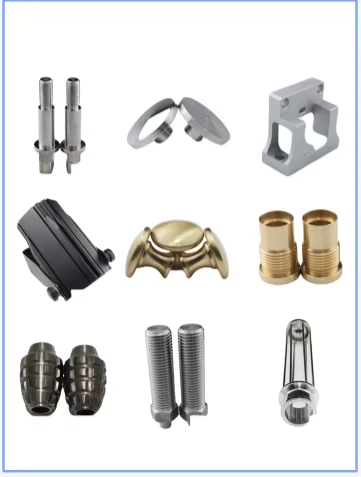
Precision-Driven Waste Reduction in CNC Manufacturing
Minimizing Material Waste Through Digital Design and Tight Tolerances
When it comes to reducing material waste, CNC manufacturing does a pretty good job thanks to how it brings together CAD (Computer Aided Design) and CAM (Computer Aided Manufacturing) systems. With digital prototyping, engineers get to test out different machining paths before actual production starts. They can also arrange parts on sheets or blocks in ways that make the best possible use of available materials. The whole process works better when machines can cut with incredible precision at the micron level. According to various industry reports, these improvements actually cut down waste by around 30% when compared to older techniques. What makes this even better is that modern toolpath software keeps getting smarter about where and how to cut things. These smart calculations help manufacturers save money on raw materials while also keeping less scrap ending up in landfills over time.
Cutting Rework and Overproduction with Consistent CNC Accuracy
Computer Numerical Control (CNC) systems are pretty good at doing the same thing over and over again, which cuts down on mistakes people might make during production runs. After setting them up properly, these machines can churn out parts that look almost exactly alike, with differences measuring less than half a thousandth of an inch. Such consistency means fewer defective products getting thrown away because of bad measurements or tools going off track. Manufacturers used to lose about 12% of their materials through this kind of waste before CNC came along. The accuracy of these systems also helps with just-in-time manufacturing practices where companies only make what they need when they need it. Looking at data from lean manufacturing studies, factories using CNC tech typically see around an 18% drop in excess stock sitting around unused, which saves money on both extra production costs and warehouse space requirements.
Energy Efficiency and Lower Carbon Impact of Modern CNC Systems
Smart CNC Machines: Regenerative Drives, Idle Optimization, and AI-Powered Energy Management
CNC systems today help cut down on carbon emissions thanks to smarter ways of managing energy. The regenerative drives in these machines actually grab some of that kinetic energy when the spindle slows down and turn it back into usable power. This can slash energy usage anywhere from 20 to 30 percent depending on how the system is set up. Facilities also save a lot of wasted energy when they implement what's called idle optimization. Basically, this means letting machines go into super low power mode whenever there's a break in production. What makes these systems really stand out is their AI component. It looks at production schedules, figures out when things will slow down, powers off unnecessary equipment automatically, and groups together similar tasks so machines don't have to keep restarting over and over again.
Smart control systems keep an eye on temperature changes and how hard materials are during operation, changing the speed at which things cut as needed to keep everything running smoothly. This approach stops machines from working too hard when they don't need to, which means tools last longer and perform better overall. Some big names in green manufacturing have seen their electricity bills drop by over 35% each year thanks to these kinds of improvements. The numbers tell us something important about modern machining practices: what used to be really power hungry can now become much friendlier to the environment without sacrificing quality or productivity.
Pollution Mitigation and Sustainable Fluid Management in CNC Manufacturing
Reducing Hazardous Coolant Discharge and Advancing Closed-Loop Fluid Recycling
Old school CNC machining shops typically depend on those metalworking fluids loaded with dangerous stuff that can really mess up the environment when they get dumped wrong. Smart shops these days are switching over to biodegradable options made from plants instead. The real game changer though has been getting serious about recycling coolant. Most modern setups run closed loop systems where they filter out all sorts of junk through several stages. First comes centrifuges spinning away metal bits, then skimmers pick up what's left floating around, and finally some chemical treatments clean things up nicely. Shops report getting back around 90-95% of their coolant this way, which saves money and keeps waste down considerably.
Industry reports suggest that this method cuts down on fresh water usage and reduces dangerous waste by somewhere around 80 percent. When combined with automatic sensors that monitor fluids and local purification equipment, these setups maintain good coolant quality throughout their service life. There are actually two main advantages here. First, companies stay within environmental rules that have gotten tougher over time. Second, they save money operationally because they spend less on getting rid of waste and buying new fluids. Looking at it practically, many manufacturing plants see savings between 30 to 40 percent just from these changes. What makes this particularly interesting is how it fits into broader sustainability goals. Instead of treating waste as something to dispose of, these systems literally transform what would otherwise be discarded materials back into valuable assets for ongoing production needs.
CNC Manufacturing’s Contribution to the Circular Economy
The circular economy benefits from CNC manufacturing because it cuts down on raw materials needed and turns what would be waste into something valuable. The machines work so precisely that parts come out almost ready to go, with very tight measurements, which means there's not much extra material left over after production. When metal gets cut away during machining operations, these scrap pieces don't just get tossed aside. Instead, they're gathered up regularly and melted down again to form fresh billets, meaning factories aren't constantly digging up brand new resources from the earth. For instance, when shops switch to using recycled aluminum instead of buying all new stock for their CNC work, studies suggest this can slash environmental damage by around 95 percent versus getting the metal straight from mines.
Closed loop coolant systems go beyond just handling solid waste, they let cutting fluids get reused over and over again, which means almost no dangerous stuff gets dumped out there. The whole system works like a circular economy where what comes out one end goes back in the other. What's really interesting is how this approach saves money while saving the planet at the same time. Scrap metal and other machining leftovers aren't just trash anymore but actually have value on the market. Some shops even make extra cash selling these materials. When manufacturers design parts that can be taken apart easily and use materials that will melt down again, their CNC machines produce components that find new life in different products. This means companies can keep growing without constantly needing fresh raw materials from somewhere else.
Enabling Green Innovation: CNC’s Role in Renewable Energy Infrastructure
High-Precision Fabrication of Wind Turbine Components and Solar Mounting Systems
The precision of CNC machining makes it possible to create those complicated parts needed for renewable energy systems. Take wind turbines for example. Five axis CNC machines are what make those gearboxes that can handle all that stress over time, plus they shape the base of the blades so they cut through air just right. These machines work within really tight specs, about 0.005 inches either way, which helps avoid those costly alignment problems that shut down operations. When it comes to solar farms, CNC technology is behind the mounting systems that resist rust and wear. The angles on these mounts need to be spot on at the millimeter level so panels catch maximum sunlight throughout big installations. Getting this kind of accuracy matters a lot when dealing with thousands of solar panels spread out over acres of land.
Getting this kind of precision cuts down on wasted materials by somewhere around 18 to 22 percent when compared with older techniques. At the same time, having standardized and repeatable manufacturing processes makes it much easier to scale up clean energy projects across different locations. When it comes to CNC machining, the consistent quality means each part produced actually passes those tough industry certifications. This matters a lot for moving away from fossil fuels because these components still hold up structurally even when installed in places with harsh weather conditions or demanding operational requirements.
FAQs on Waste Reduction and Efficiency in CNC Manufacturing
How does CNC manufacturing reduce material waste?
CNC manufacturing reduces material waste by integrating CAD and CAM systems, allowing for digital prototyping and efficient material arrangement. Machines can cut with micron-level precision, and toolpath software optimizes cutting paths, reducing waste by around 30% compared to older techniques.
What role does CNC play in energy efficiency?
CNC systems contribute to energy efficiency through regenerative drives, idle optimization, and AI-powered energy management. These features reduce energy consumption by 20-30% and minimize unnecessary equipment operation.
How does CNC manufacturing promote sustainability?
CNC manufacturing promotes sustainability by using biodegradable coolant options, closed-loop fluid recycling, and reusing scrap materials, aligning with circular economy practices and reducing hazardous waste by up to 80%.
Table of Contents
- Precision-Driven Waste Reduction in CNC Manufacturing
- Energy Efficiency and Lower Carbon Impact of Modern CNC Systems
- Pollution Mitigation and Sustainable Fluid Management in CNC Manufacturing
- CNC Manufacturing’s Contribution to the Circular Economy
- Enabling Green Innovation: CNC’s Role in Renewable Energy Infrastructure
- FAQs on Waste Reduction and Efficiency in CNC Manufacturing