
 EN
EN



Understanding Small-Batch CNC Machining: Core Principles and HMLV Context
What qualifies as small-batch production in modern CNC machining?
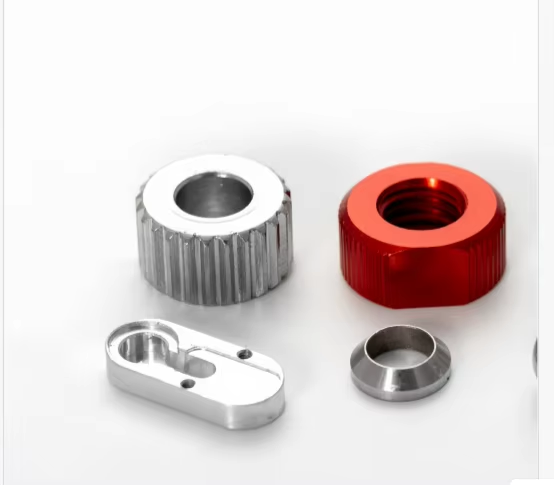
When talking about small batch CNC machining, we're generally looking at production runs that range from just one prototype all the way up to around 500 pieces. What makes this method special is how it focuses on being able to adapt rather than churning out massive volumes. Compared to traditional mass production methods, small batch work gets away without needing those expensive specialized tools. Still manages to hit really tight specs too, usually within plus or minus 0.005 inches. Plus it works well with almost any kind of material available today. A lot of different sectors depend on this approach actually. Think aerospace components where even minor adjustments matter, medical devices that need customization, or automotive parts during development phases. Thanks to advances in modern multi axis machines and faster programming options, manufacturers can now produce high precision parts with complex shapes at reasonable costs without compromising either quality standards or delivery schedules.
Why high-mix, low-volume (HMLV) is the defining challenge—and opportunity—for CNC shops
For many advanced CNC shops, high-mix, low-volume (HMLV) manufacturing is pretty much their day to day. Setup changes happen so often they actually take up around 40% of total machine time. Plus dealing with all those different part families requires constant programming adjustments which just adds another layer of complexity. But there's something good about this approach too. Shops that specialize in HMLV work can charge higher prices for custom parts, tap into growing specialty markets, and respond quickly when designs need tweaking. When manufacturers implement lean methods like modular fixtures and programming tools assisted by artificial intelligence, they turn what would normally be wasted setup time into real competitive edge. Take a look at actual shop floor data: most HMLV operations hit around 85% machine usage even though they're making batches of fewer than 50 pieces each run. And somehow still manage to stay profitable.
Design-to-Production Agility: How CNC Machining Enables Rapid Iteration and Customization
From CAD file to finished part: Streamlined workflows for low-volume CNC machining
CNC machining takes digital designs and turns them into real parts much faster than old fashioned methods that required making molds and dies first. Instead of waiting weeks, companies can get their parts ready in just days now. The whole process goes from computer drawings straight to finished products, which means manufacturers bring special components to market quicker and test prototypes more often. What makes this system so efficient? Standard sets of tools and adaptable fixtures that hold workpieces during machining. These save shops tons of time when switching between jobs, cutting down changeover periods by around 80% compared to traditional approaches. An actual case study comes from an aerospace company that managed to produce critical aircraft brackets within 48 hours using these techniques. This shows just how responsive manufacturing can become when workflows are properly streamlined, all while keeping the same level of exactness required for aviation parts.
Rapid prototyping as a gateway to small-batch validation and customer co-development
Prototypes aren't just models they're actual working samples that let engineers check if something fits properly, looks right, and actually works as intended before going into full scale production. The numbers back this up too many companies report around a two thirds drop in costly redesigns when they test things out early. Getting customers involved in looking at these prototypes makes all the difference in the world. People who will eventually use whatever is being made can point out issues nobody else would notice, which means manufacturers can tweak designs while there's still time. Take medical devices for instance. Orthopedic implant makers now commonly take detailed scans of individual patients and feed those measurements directly into computer controlled machines that cut out perfectly shaped parts for each person's unique anatomy. This approach saves money and improves outcomes because what gets made matches exactly what needs to be there.
Technical Enablers: Fixturing, Programming, and Toolpath Optimization for Small-Batch CNC Machining
Modular Fixturing and Quick-Change Tooling to Slash Setup Time
Modular fixturing setups make a big difference when working with small production runs because they allow quick and consistent changes between different jobs. The reusable parts cut down on setup time significantly, maybe around three quarters less than what it takes with custom made fixtures according to recent research from Smith in 2023. When combined with tools that can be swapped out fast at the machine spindle, these systems enable shop floor workers to switch from one type of part to another within just a few minutes instead of spending precious hours setting everything up again. For companies dealing with high mix low volume manufacturing, this kind of flexibility becomes essential since how often machines need to be reset affects both how much product gets made and what it ultimately costs to produce.
5-Axis Programming and Adaptive Toolpaths for Complex, One-Off Geometries
Five axis CNC machining opens up design possibilities that just aren't feasible with standard three axis systems. Think about those really complicated shapes, deep pockets in materials, and tricky undercut features that would normally require multiple setups. With adaptive cutting paths such as trochoidal milling, tools stay engaged consistently during operation which cuts down on vibrations and actually makes tools last around 30 percent longer according to research from Jones back in 2021. When making prototype parts or small production runs, this kind of optimization really pays off. Less wasted material means fewer empty cuts and no need for extra finishing steps after the fact. What we end up with is quicker turnaround times for quality components, even when dealing with unique single piece designs, all while maintaining tight tolerances and good surface quality throughout.
Balancing Efficiency and Economics in Small-Batch CNC Machining
Small batch CNC machining gives manufacturers incredible flexibility when making prototypes or custom parts, though it does require some serious attention to the bottom line. The good news? No need to invest in expensive molds or tools upfront. But there's a catch: individual part costs stay pretty high compared to mass production because of all the setup and programming work that goes into each run. Take a typical scenario: producing just 50 units might actually cost about 40 percent more per piece than running 500 at once. Most of that extra expense comes from calibrating machines, setting up fixtures, and writing those NC programs. Still worth it though! Warehouses save anywhere between 30 to maybe even 60 percent on storage for items that don't sell much, and having no minimum order requirements means companies can just make what they need when they need it. Smart shops figure out how to strike this balance using things like modular work holding systems which cut down changeover times by around two thirds, optimizing tool paths across multiple axes, and grouping together similar shaped parts so they can spread out the setup costs. And let's not forget digital twins either these simulation tools help manufacturers test out machining processes before cutting any actual metal, which saves money and prevents costly mistakes.
FAQs
What are the advantages of small-batch CNC machining?
Small-batch CNC machining offers flexibility in producing prototypes or custom parts without the need for expensive molds. It allows for adaptation and precision, usually within tight specs, and works well with a variety of materials.
How does HMLV manufacturing benefit CNC shops?
High-Mix, Low-Volume (HMLV) manufacturing allows CNC shops to respond quickly to design changes and tap into specialty markets. It often leads to higher profitability despite the complexity involved due to frequent setup changes.
What role does rapid prototyping play in CNC machining?
Rapid prototyping enables engineers to test designs in a real-world context, reducing costly redesigns and ensuring functionality before entering full-scale production. It facilitates collaboration and customization, particularly for medical devices tailored to individual patients.
Table of Contents
- Understanding Small-Batch CNC Machining: Core Principles and HMLV Context
- Design-to-Production Agility: How CNC Machining Enables Rapid Iteration and Customization
- Technical Enablers: Fixturing, Programming, and Toolpath Optimization for Small-Batch CNC Machining
- Balancing Efficiency and Economics in Small-Batch CNC Machining