
 EN
EN



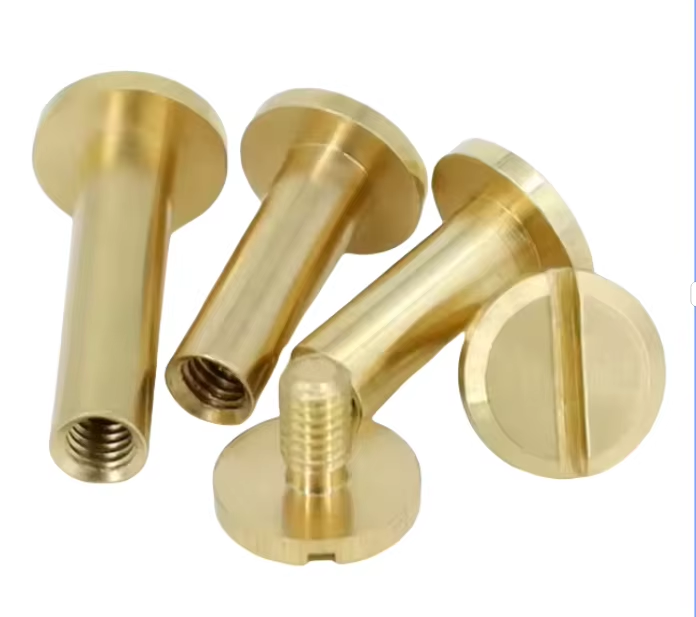
Assessing Dimensional Accuracy and Tolerances in CNC Parts
Common Dimensional Inaccuracies in CNC Machined Components
According to the latest Machining Industry Report from 2024, about three quarters of all dimensional problems in CNC machining come down to thermal expansion, tool deflection, and material spring-back. When working with aluminum alloys, we've seen them stretch or shrink roughly 0.15% just because temperature changes around 15 degrees Celsius. Steel parts aren't much better either, typically showing position errors somewhere between plus and minus 0.08 millimeters after stresses get released during cooling. And let's not forget about fixturing issues. A simple misalignment in the vise setup can throw off parallelism measurements by as much as quarter of a millimeter on something that's only 100mm long. These small numbers really add up when manufacturing precision components.
The Role of Geometric Dimensioning and Tolerancing (GD&T)
GD&T standards (ASME Y14.5-2018) enable manufacturers to define tolerance zones rather than rely on fixed ± measurements, reducing rejection rates by 34% compared to traditional tolerancing (NIST 2023). This method provides clearer control over form, orientation, and location, which is critical for high-precision assemblies.
| GD&T Symbol | Tolerance Type | Typical CNC Application |
|---|---|---|
| ⌀ | True Position | Hydraulic valve bores |
| ⏤ | Flatness | Optical mounting surfaces |
| ⌀ | Concentricity | Rotating shaft journals |
By specifying functional tolerance zones, GD&T ensures parts fit and perform as intended, even with minor manufacturing variation.
Real-Time Monitoring and Automated Tolerance Verification Systems
Modern CNC machining centers are now pairing laser scanners with machine vision technology to constantly check dimensions during production runs. This setup slashes the time needed for quality checks after machining by around two thirds according to recent studies from manufacturing journals. Some facilities have started using hybrid approaches where traditional touch probes work alongside smart software that predicts when tools will start affecting part tolerances. These systems can spot potential issues as early as half an hour before they happen, which explains why some medical device manufacturers report nearly perfect first pass rates at their plants. With these kinds of real time monitoring capabilities, operators can fix problems right away instead of dealing with expensive scrap or having to redo parts later on in costly aerospace or precision engineering jobs.
Evaluating Surface Finish and Detecting Surface Defects in CNC Parts
Impact of Cutting Parameters on Surface Roughness
The way we set cutting parameters like feed rate, spindle speed, and how deep we cut into materials has a big impact on how smooth or rough the final surface ends up being. When shops lower their feed rates around 25%, they often see better finishes reaching about Ra 0.4 microns. But if someone goes too deep with cuts, the tools start leaving those annoying marks because of the metal pushing back against them. Aluminum works best when running spindles over 8,000 RPM which gives pretty much mirror quality surfaces below Ra 0.8 microns. However, try those same high speeds on stainless steel and watch out for all those pesky burrs forming extra fast – sometimes as much as 35% more than normal. Getting this right means looking at what kind of material is being worked on first, then adjusting settings accordingly so parts come out good quality without slowing down production too much or creating problems later down the line.
Measuring Surface Quality: Profilometers, Optical Scanners, and AI-Based Imaging
Modern surface inspection techniques bring together profilometers that measure surface roughness parameters like Ra and Rz with around 5% accuracy, alongside 3D optical scanners capable of collecting half a million data points every second to analyze waviness patterns. The integration of artificial intelligence into imaging systems has made a real difference in quality control departments. These smart systems cut down on false alarms by nearly two thirds when compared to what human inspectors typically find, since they can cross reference machine tool paths with actual surface irregularities. After being trained on more than ten thousand different machined parts, these AI models have gotten pretty good at telling the difference between normal tooling marks and serious scratches that need attention. This capability makes a big impact on manufacturing floors where thousands of components are produced daily, ensuring much greater consistency across batches without requiring constant supervisor intervention.
Optimizing Toolpaths to Enhance Surface Finish
Modern CAM software incorporates techniques such as trochoidal milling along with curvature matched stepovers that help smooth out those pesky surface irregularities. When dealing with complex shapes, spiral toolpaths actually cut down on average roughness (Ra) measurements by around 28% when compared to traditional zigzag approaches. The real magic happens during finishing operations where these smart systems tweak their stepover distances on the fly using live data feedback. This keeps surfaces consistent throughout even the most challenging curved parts, achieving tolerances within about 0.02 mm - which represents roughly a 40% boost over older fixed step methods. For manufacturers working in fields like aerospace or medical device production, all these improvements translate into real savings. We're talking about cutting post processing costs by approximately $18 per component, something that adds up quickly across large production runs.
Monitoring Tool Wear and Machine Performance to Prevent Defects
How Tool Wear Affects Dimensional Accuracy and Surface Integrity
When cutting tools start showing signs of wear, they create dimensional errors that go above and beyond the ±0.005 inch tolerance in aluminum parts according to Ponemon's research from 2023. The main problem comes from flank wear which actually boosts cutting forces anywhere from twenty to forty percent. What happens next? Thin walled components get distorted and surfaces develop all sorts of problems including annoying burrs and those pesky micro fractures that nobody wants. For titanium machining specifically, edge chipping becomes a major concern when Ra values climb past 12.5 micrometers. That's way over four times what's considered acceptable in the strict world of aerospace manufacturing standards. Companies that implement proactive monitoring systems see dramatic improvements though. Early detection helps prevent these quality issues altogether, cutting down on non conforming products by around seventy two percent through timely interventions before things spiral out of control.
Sensor-Embedded Tools and Predictive Maintenance Strategies
AI-driven tool wear detection systems analyze vibration patterns (3.5–8 kHz) and thermal imaging to predict carbide insert replacement within ±15 minutes of actual failure. These systems use three key sensors:
- Strain gauges detect torque anomalies indicating tool deflection
- Acoustic emission sensors identify micro-chipping events with >98% confidence
- Infrared cameras monitor temperature gradients signaling coating degradation
Integrated into predictive maintenance workflows, they reduce unplanned downtime by 30–50% compared to time-based replacements (McKinsey 2024).
Establishing Tool Life Limits Based on Material and Process Data
For 316L stainless steel drilling, tool life drops by 65% when feed rates exceed 0.15 mm/rev (Machining Dynamics Handbook 2023). Data-driven limits consider critical factors:
| Factor | Impact on Tool Life | Optimization Method |
|---|---|---|
| Hard materials | Accelerated flank wear | Reduce cutting speed (−10–15%) |
| Interrupted cuts | Edge fracture risk | Increase corner radius (↑30%) |
| Coolant type | Thermal shock cycles | Use Minimum Quantity Lubrication (MQL) |
Correlating wear progression with process data extends insert life by 40% while maintaining required surface finishes (Ra ≤3.2 μm), especially in medical device manufacturing.
Identifying Programming Errors and Machine Calibration Issues
G-Code and CAM Software Errors Leading to Part Defects
About one out of every four dimensional issues in CNC machined parts comes down to problems with G-code or CAM toolpaths going wrong somewhere along the line. Research published last year in the MDPI Machines Journal showed something pretty significant too. When programmers forget to account for how cutting tools bend under pressure during CAM setup, it creates these consistent plus or minus 0.1 millimeter mistakes especially noticeable in those delicate wall sections of airplane parts. Another common trouble spot happens when there's a mismatch between what the post processor sends and what the actual machine expects to receive. This often causes unwanted material removal at points where the workpiece moves from regular three axis machining into five axis operation territory.
Diagnosing Spindle Runout, Misalignment, and Thermal Expansion
When spindle runout exceeds 0.003 mm, it starts creating those annoying concentricity problems in precision rotating components such as hydraulic valve bodies. The issue gets even trickier with thermal expansion in linear guides, which leads to positional drift. We've seen measurements around 34 micrometers per meter for every degree Celsius temperature increase during aluminum milling operations. Fortunately, modern shops are turning to wireless vibration sensors alongside laser interferometers to catch early signs of bearing wear and alignment problems. Detecting these issues ahead of time prevents surface quality degradation and maintains critical tolerances that would otherwise require costly rework down the line.
Pre-Machining Simulation and Dry Runs to Catch Errors Early
Using virtual machining platforms cuts down on fixture collisions by around 82% when compared with old fashioned manual inspections. For complex shapes, manufacturers run dry runs with things like machinable wax instead of real materials. This helps check if tools will actually fit where they need to go. An automotive parts maker saw their prototype rework rates fall by about 40% once they started doing this regularly. The big plus comes from seeing tool paths in real time while running simulations. These visualizations catch alignment problems that just looking at static G code usually misses. Finding these issues early saves money because nobody has to waste time cutting up expensive metal only to discover something was wrong.
Advanced Inspection Techniques for Reliable CNC Quality Control
Stages of Inspection: In-Process, Final, and Sampling Protocols
Quality control for modern CNC operations typically follows several key inspection phases. During production, technicians check part dimensions right after each machine setup to catch any issues before they become bigger problems. At the end of the manufacturing process, shops often rely on Coordinate Measuring Machines or CMMs to double check those critical measurements, making sure everything falls within that tight ±2 micron range most customers demand. For companies running large batches of parts, statistical sampling becomes essential too. These random checks help maintain consistent quality across thousands of units. The whole system works pretty well actually, catching defects much earlier than traditional methods while keeping products up to spec according to those strict industry standards everyone has to follow now.
Using Coordinate Measuring Machines (CMM) for High-Precision Verification
CMMs deliver micron-level accuracy for complex geometries via automated probing. They reduce measurement errors by 43% compared to manual calipers, especially for aerospace components requiring ISO 2768-MK fine tolerances. Advanced models integrate directly with CAD software, enabling real-time comparison of scanned data against original designs for rapid deviation analysis.
Applying Non-Destructive Testing (NDT) for Internal Flaw Detection
NDT methods—including ultrasonic testing and X-ray imaging—detect subsurface cracks and porosity without damaging parts. Combining eddy current testing with AI-based imaging improved flaw detection rates by 29% in automotive components (2023 analysis). These techniques are essential in safety-critical industries where internal defects could lead to catastrophic failure.
Integrating Inspection Data with SPC for Continuous Improvement
Manufacturers these days are plugging their inspection findings right into Statistical Process Control systems so they can spot emerging issues and cut down on product variation. Take real time CMM measurements as one case in point. These readings often show when tools start wearing out over time, which means maintenance crews get called in before parts begin going out of spec. The whole system works like a feedback loop that actually reduces scrap materials somewhere around 30 to 40 percent depending on the factory setup. Plus it helps companies stick to those tough quality requirements like AS9100 certification that many aerospace clients demand nowadays.
FAQ Section
What are common causes of dimensional inaccuracies in CNC machined components?
Common causes include thermal expansion, tool deflection, and material spring-back.
How can GD&T help in machining?
GD&T provides clearer control over form, orientation, and location, reducing rejection rates by helping define functional tolerance zones.
Why is real-time monitoring important in CNC machining?
Real-time monitoring helps detect potential issues early, reducing costly scrap and rework.
How do cutting parameters impact surface finish?
Cutting parameters like feed rate and spindle speed significantly affect surface smoothness and roughness.
What role do sensor-embedded tools play in CNC machining?
They help detect tool wear early, reducing unplanned downtime and maintaining dimensional accuracy.
Table of Contents
- Assessing Dimensional Accuracy and Tolerances in CNC Parts
- Evaluating Surface Finish and Detecting Surface Defects in CNC Parts
- Monitoring Tool Wear and Machine Performance to Prevent Defects
- Identifying Programming Errors and Machine Calibration Issues
- Advanced Inspection Techniques for Reliable CNC Quality Control
- FAQ Section