
 EN
EN



Post-Processing and Finishing: The Most Common Hidden Cost in CNC Services
Surface Treatments, Deburring, and Edge Finishing — When 'As-Machined' Isn’t Enough
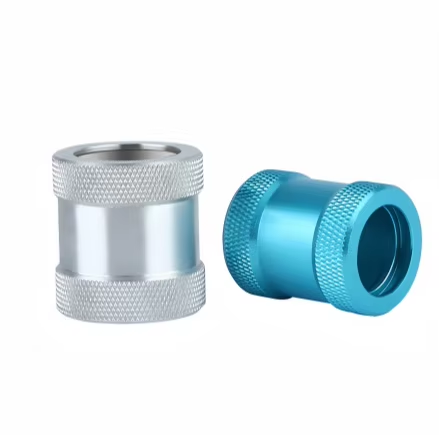
Many parts need additional treatment after machining if they're going to function properly or look good enough for customers to see. Anodizing, bead blasting, electroplating these are common options when manufacturers want their products to resist corrosion, handle wear better, or simply appear more attractive on store shelves. Sure, leaving parts in their "as machined" state saves money upfront, but those surfaces just don't hold up in actual working conditions very well. Take aluminum parts for example. Without proper treatment, they start rusting away pretty quickly when exposed to moisture or salt air, which means shorter life spans and unreliable performance down the road. Adding these secondary finishes typically pushes unit costs up somewhere between 2% and 30%. Why? Because skilled workers have to do the work, machines take extra time running through the process, and all sorts of materials get consumed along the way. Most CNC shops won't even mention these added expenses when giving preliminary price estimates either.
How Vague Design Notes (e.g., 'Deburr All Edges') Trigger Rework and Labor Surprises
Vague specs such as "remove all burrs from edges" can really throw off cost estimates. When there's no clear idea about what counts as an acceptable burr size say something like R0.1mm maximum or how big the edge radius needs to be, plus which areas matter most versus those that don't, workers tend to play it safe and go beyond what's needed. This extra work adds around 15 to 20 percent more time spent on labor and makes results inconsistent across parts. A company making airplane components saw their costs jump nearly 40% when unclear directions about deburring caused entire batches to get rejected at quality check. The bottom line? Get specific about exactly what needs deburring, where it matters, and how to verify completion right from the start when getting quotes for manufacturing jobs.
Material Waste and Yield Loss: Hidden Expenses Tied to CNC Services
The amount of material wasted in CNC machining often ends up higher than what gets quoted to customers. This isn't usually because suppliers made mistakes, but rather from things like unexpected scrap rates, poor part arrangement on stock sheets, and vague material tolerances built into the process. Most buyers are looking at individual part prices when they place orders, but somewhere around 20% of the original material turns into scrap throughout manufacturing according to industry research from SME in 2023. What makes this particularly frustrating is that unlike costs for labor or tools, these waste amounts just keep adding up quietly with each new order placed.
Scrap Rate, Nesting Efficiency, and Material Allowance — Why Your Quote Doesn’t Reflect True Consumption
Three interrelated factors inflate actual material consumption beyond theoretical calculations:
- Scrap rates: Industry-wide averages of 15–20% stem from tool failure, material defects, and fixturing errors—not just geometry complexity.
- Nesting efficiency: Poor layout of parts on raw stock can waste 12–30% more material than optimized nesting, especially with irregular shapes or mixed-part batches.
- Vague material allowances: Some suppliers apply arbitrary buffers (e.g., +10%) without justification or transparency, masking true yield performance.
This disconnect between quoted and consumed material creates hidden markups—particularly impactful for high-cost alloys like titanium or Inconel. Consider a steel plate order:
| Scenario | Quoted Material | Actual Usage | Waste Increase |
|---|---|---|---|
| Optimized nesting | 100 kg | 110 kg | 10% |
| Non-optimized nesting | 100 kg | 130 kg | 30% |
Always request nesting diagrams, scrap tracking reports, and yield metrics from your CNC services provider before awarding a contract. These documents provide objective validation of material efficiency—and serve as early warning signals for operational inefficiency.
Design Decisions That Inflate CNC Services Costs Behind the Scenes
Tight Tolerances, Thin Walls, and Non-Standard Geometries — Engineering Choices with Price Tags
The choices engineers make during the initial stages of product design can really affect CNC machining costs in ways that don't show up on the bill of materials at all. When parts need tight tolerances tighter than plus or minus 0.05mm, things get complicated fast. Slower feed rates become necessary along with special measuring equipment and extra quality checks. This usually adds around 20 to 30 percent more time to each production cycle compared to standard tolerances of about 0.1mm. Thin walls less than half a millimeter thick present their own challenges too. Special cutting paths are required, along with fixtures that reduce vibrations and multiple passes to avoid damaging the part. All this increases both labor hours and the chance of scrap material. Then there's the issue of non-standard shapes like deep pockets inside parts, undercuts that go inward, or irregular outer curves. These features drive up complexity significantly because they call for custom made tools, constant switching between different bits, longer programming sessions, and much stricter calibration requirements across the board.
Tightening tolerances doesn't merely extend machining time—it actually drives up all sorts of hidden costs along the production line. Think about it: tools get worn out faster, quality checks take longer, and there's simply more chance something will need fixing later on. Take aerospace grade aluminum parts requiring ≤0.025mm precision as one case study. Machining these components takes roughly three times longer than standard industrial specifications would allow. That kind of difference adds up fast. Smart B2B procurement teams know better than to wait until designs are finalized before talking shop with their manufacturing partners. Early involvement during those DFM sessions makes all the difference when looking for spots where relaxing tolerances here, adjusting wall thickness there, or simplifying complex geometries elsewhere still meets functional requirements but cuts material waste and labor expenses dramatically.
Pricing Model Pitfalls: Setup Fees, Requotes, and Low-Volume Allocation in CNC Services
The setup fees associated with CNC machining include things like programming work, picking the right tools, designing fixtures, and validating the first article produced. These costs form the base of what manufacturers charge customers, though many people don't really grasp how significant they are. The interesting thing is these setup costs stay pretty much the same no matter how big or small the order gets. That means when someone orders just a handful of parts, say fewer than ten pieces, setup costs can eat up anywhere from 40 to 60 percent of what they pay overall. But if we're talking about larger batches, maybe over 100 units, those same setup costs only represent around 5 to 15 percent per item. Small production runs make matters worse because machines aren't used efficiently. There's all sorts of wasted time during equipment changes, spindles sitting idle between jobs, and schedules getting chopped up into little bits. All this inefficiency can actually raise individual part prices by as much as 30 percent in some cases.
Getting multiple quotes can actually hide hidden costs that catch people off guard. When changes happen after the initial quote - say we need to tweak a fillet radius or update how surfaces should look - this kicks off a whole new round of work. Tool paths get redone from scratch, material calculations start over, and inspection plans need rewriting too. The extra engineering work for these changes typically eats up around 15 to 20 percent of what was originally quoted. Vague instructions such as "clean up all edges" often lead to back and forth during manufacturing, costing an additional 12 to maybe even 18 percent in unexpected labor according to industry benchmarks from last year. Smart companies lock down all the details about shapes, tolerances, and finishes before asking for any price estimates. And don't forget to check with suppliers about their pricing tiers, minimum orders they require, and if setup costs spread out over expected production runs instead of being charged upfront.
FAQs
What is post-processing in CNC machining?
Post-processing refers to additional treatments or finishes applied to machined parts to improve their appearance, performance, or durability. This can include surface treatments like anodizing or bead blasting.
How does vague design documentation affect CNC costs?
Vague design documentation can lead to additional labor and inconsistencies in production, as workers may overcompensate to meet unclear specifications, which can result in increased costs.
Why do material yields impact CNC service costs?
Material yields impact costs because the gap between quoted and actual material usage can lead to hidden expenses, especially with inefficient nesting or higher-than-expected scrap rates.
How do tight tolerances affect CNC machining costs?
Tight tolerances require more precise machining practices, which can extend production time and increase the chance of errors, leading to higher labor costs and potentially more scrap material.
What's the impact of low-volume orders on CNC pricing?
Low-volume orders often result in a higher proportion of setup cost per part, raising the unit price compared to larger batch orders where setup costs are distributed over more units.