
 EN
EN



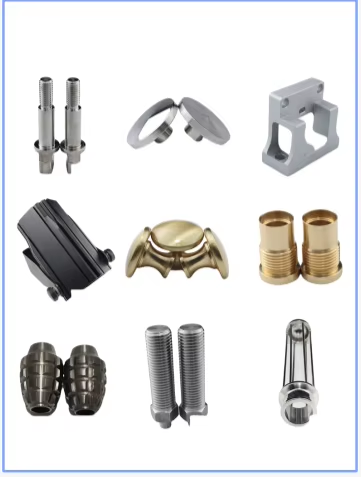
Lower Total Cost of Ownership with Outsourced CNC Services
Elimination of Capital Expenditure and Facility Overhead
When companies outsource their CNC work, they save themselves from investing hundreds of thousands on actual machines since these CNC units typically cost between 150 and 300 thousand dollars each. Plus there's no need to worry about all those extra facility expenses either like special floor reinforcement, big ventilation systems, or setting up that 480 volt power system. According to research from the Ponemon Institute back in 2023, businesses can avoid paying around 740 grand every year just on things like keeping staff for maintenance, calibrating tools properly, and staying compliant with regulations. What this really means is moving money from huge upfront purchases to regular ongoing costs instead. That frees up cash flow so companies can actually spend on developing new products and innovations rather than getting bogged down managing another factory space full of expensive machinery.
Transparent, Fixed-Cost Pricing Without Hidden Maintenance or Downtime Fees
When it comes to CNC machining, specialized providers typically have pricing models that cover everything from part costs to maintenance expenses, tool wear, and even downtime situations. Compare this to running machines in house, where unexpected breakdowns can really hurt productivity numbers. Some studies show these surprises actually cost manufacturers around 17% lost production time on average according to Manufacturing Journal back in 2023. The contracts these companies sign usually spell out every single cost component right from the start, so there are no hidden fees when something needs recalibrating or fixing urgently. What does this mean for businesses? It makes budget planning much easier since they know exactly what to expect month after month. Plus, instead of dealing with all the headaches of equipment lifecycles themselves, companies can pass those risks over to their certified manufacturing partners who specialize in handling such issues day in and day out.
Higher Precision, Consistency, and Quality Assurance from Specialized CNC Providers
ISO-Certified Processes and Metrology-Backed Tolerance Control
Most top-tier CNC service companies run their operations according to ISO 9001:2015 certified quality management systems. These systems basically create standard operating procedures for everything from checking materials to actual machining work and then final inspections. The big benefit? Everything stays trackable throughout the whole process, which cuts down on those pesky dimensional variations that happen when people just wing it instead of following proper protocols. When it comes to keeping parts within tight tolerances, these shops rely heavily on metrology equipment. Coordinate measuring machines (CMMs) and laser scanners check part geometry at the micron level, often going beyond what most industry standards require. They also implement statistical process control (SPC) systems that keep watching production outputs in real time so problems get caught early before anything defective even makes it out the door. Technicians receive regular training sessions and all measuring instruments get calibrated frequently according to ASME Y14.5 guidelines. This matters a lot especially in industries like aerospace or medical device manufacturing where having to scrap a component because of measurement errors can cost tens of thousands of dollars.
Case Evidence: 32% Defect Reduction After Transitioning to Tier-1 CNC Services Partner
One major aerospace company saw their defect rate drop by almost a third after teaming up with a top-tier CNC supplier just six months later. What did the supplier do? They installed those fancy in-process monitoring sensors that send live data straight to closed loop systems. These systems then automatically tweak the tool paths while machines are running, stopping those annoying dimensional issues before they happen. This completely changed things for the client who used to spend ages analyzing scrap parts after the fact. Now they're saving money on rework (about 12%) and getting rid of those frustrating three week delays every year. The whole assembly line runs smoother too because parts actually fit together properly when they should. It really shows why investing in precision focused CNC partners isn't just about avoiding waste anymore but actually turning quality control into something that gives companies a real edge in the market.
Scalable Access to Advanced CNC Capabilities and Technical Expertise
On-Demand Six-Axis Machining, Automation Integration, and Rapid Prototyping
When companies outsource manufacturing needs, they get access to cutting edge technology without having to invest heavily upfront. The latest six axis machining can hit tolerances as tight as plus or minus 0.001 inches even on really complicated shapes, all while cutting down on setup work by around 40 percent. Factories are now integrating robots for part loading along with smart vision systems powered by artificial intelligence. These changes mean fewer people need to handle parts manually, and overall production speed goes up somewhere between 50 and 60 percent. For product development teams, rapid prototyping services make it possible to test designs much faster than before. What used to take weeks of waiting can now be done within days, sometimes even hours. This flexibility lets manufacturers respond quickly when orders spike unexpectedly. No need to buy expensive machines or train new staff during peak periods. Contract partners typically have deep knowledge in optimizing cutting paths, working with different materials, and writing programs that meet strict geometric dimensioning standards. Their experience ensures good results whether making small batches of prototypes or running diverse production jobs with varying requirements.
Accelerated Time-to-Market Through Flexible CNC Services Capacity
When companies outsource their CNC work, they can actually shorten how long it takes to get products made because they tap into extra capacity spread across different locations plus benefit from specialized processes. Partner shops are pretty good at moving quickly between making prototypes and going all out for mass production without having to wait around for buying new machines, setting up factories, or training staff. According to a recent study published in the Journal of Advanced Manufacturing last year, manufacturers who go this route typically bring their products to market about 40 percent faster than those who handle everything in house. With real time dashboards showing what's happening on the shop floor and connected manufacturing centers scattered around the globe, businesses can keep iterating fast while still delivering reliably even when things get shaky in the market. The ability to respond so quickly turns supply chain flexibility from just a buzzword into something that really gives companies an edge over competitors.
FAQ
What are the cost benefits of outsourcing CNC services?
Outsourcing CNC services eliminates the need for significant capital expenditure on machines and facility overheads. It allows companies to convert upfront costs into manageable ongoing expenses, freeing up cash flow for innovation.
How does outsourcing impact quality and precision?
Specialized CNC providers implement ISO-certified processes and advanced metrology-backed tolerance control to ensure high-quality and precise outputs. This minimizes defects and enhances product consistency.
Can outsourcing shorten production time?
Yes, outsourcing CNC services provides access to additional manufacturing capacity and advanced technologies, reducing time-to-market by about 40% compared to in-house production.
What technical advantages do outsourced CNC services offer?
Outsourcing offers access to advanced technologies like six-axis machining, automation integration, and rapid prototyping, which increase efficiency and production speed.
What risks are associated with in-house CNC operations?
In-house CNC operations often face unexpected breakdowns, leading to lost production time and increased maintenance costs. Outsourcing transfers these risks to specialized partners.